Therapeutic Massage & Scar Work in Brooksville, FL
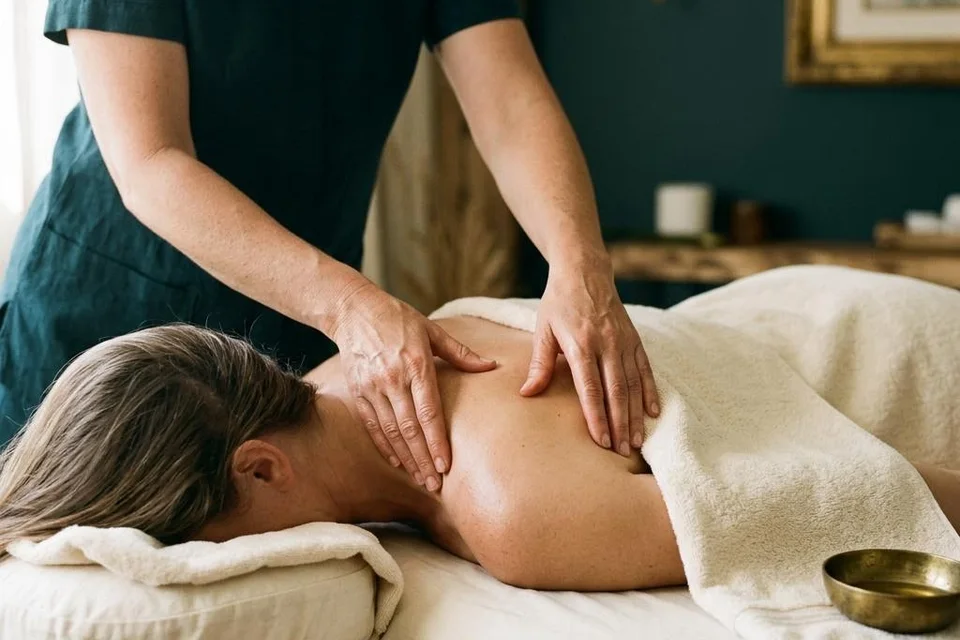
Maybe you had surgery years ago and the area around the scar still feels tight or numb. Maybe one shoulder always seems to sit higher than the other, or a stubborn ache in your lower back keeps returning no matter how carefully you lift the groceries. You may simply want a massage that pays closer attention to the spot that bothers you, without anyone promising miracles.
This guide explains how therapeutic massage can focus on muscle tension or work near a healed scar, what the research does and does not say, and when it makes more sense to call your doctor first. It is for readers in Brooksville, Spring Hill, and the rest of Hernando County who want to know what to ask before they book.
How therapeutic massage is tailored at GLO
Therapeutic massage can give extra attention to a particular area of discomfort or tension, and it can also include quiet time to unwind. You don't have to know which technique to request before you book. Start with what feels uncomfortable, what you want to get from the visit, and the type of touch you prefer. The session can be adjusted as you go.
Your therapist can discuss whether hands-on soft-tissue work, cupping, or a conversation about a fully healed scar fits your goals. Techniques may be blended into your session rather than treated as separate massage tiers. Your comfort matters more than a technique's name, and you can always ask to use less pressure or skip an area.
If you would rather have a full-body session with focused attention on one or two areas, say that when you book. You can read about the difference between a focused visit and relaxation on our Massage Therapy page. Tell the therapist about any relevant restrictions or areas you want to avoid, and ask how the session can be adjusted if something feels like too much.
Dolphin Scar Release: what it is and what it is not
Dolphin MPS is the name of a handheld device marketed for delivering very low-level microcurrent to the skin around a scar or a tender point. Microcurrent at low levels is generally described as a light prickling or tingling, though sensations differ from person to person. When you book, ask how the device and any hands-on work are combined in your session.
People seek it out for old surgical scars such as a C-section, appendix, gallbladder, knee, or shoulder scar, and for areas that feel stuck or tender. Some people find an area feels softer or easier to move after scar work, and others notice little change. Published research on MPS devices is limited and mostly small, so we cannot tell you it will remove a scar, straighten or realign anything, or change any disease.
If you are curious about it, a sensible question to ask is how the session can be paused or changed if anything feels uncomfortable. A scar should be fully healed, and cleared by your surgeon or clinician if it is recent, before any work near it.
Myoskeletal Alignment Technique (MAT): posture, balance, and repeat tension
Myoskeletal Alignment Technique (MAT) is a hands-on soft-tissue approach that a therapist may use when one area feels persistently tight or when you want attention on how an area feels during movement. The goal is comfort, not a diagnosis or a promise to correct posture.
The word alignment here describes the goal of easing uneven muscle tension. It does not mean we adjust bones or joints, and it is not chiropractic care. If you are under the care of a chiropractor or physical therapist, ask them whether massage fits their plan, and share their guidance when you book.
People who sit for long stretches, drive often between Brooksville and Tampa, garden on their knees, or favor one side after an old injury may notice this kind of uneven tension. Paying attention to those habits, such as which shoulder carries a bag, can be as useful as any session. A massage is not an assessment or a diagnosis.
Cupping: the sensation, the marks, and the honest evidence
Cupping uses cups placed on the skin to create gentle suction, lifting tissue rather than pressing into it. Cups may stay still or be glided across the back, shoulders, or another area with oil. Most people describe a pulling or stretching feeling that is unusual at first and often quite relaxing.
Cupping can leave round marks that look like bruises and usually fade over days. The marks come from suction on small blood vessels under the skin, and cupping is not a way of drawing toxins out of the body. The National Center for Complementary and Integrative Health notes that the evidence for cupping and pain is weak, and that it can cause side effects such as skin irritation, bruising, and in rare cases burns or skin infection.
So cupping is best thought of as a comfort-focused option for people who enjoy the sensation, not as a treatment for back pain or any condition. Tell your therapist if you bruise easily, take blood thinners, or have fragile or sensitive skin. If you are unsure, ask before booking what the suction is likely to feel like.
What can focused massage realistically do?
The most reliable thing massage tends to offer is short-term comfort. The National Center for Complementary and Integrative Health summarizes research suggesting massage may provide short-term relief for back and neck pain, while noting that much of that evidence is low quality. Serious harms are rare when massage is done by a trained practitioner.
People commonly describe feeling looser, calmer, and more aware of how they hold tension after massage. Those are worthwhile outcomes, but they are not the same as fixing a cause. Pain that keeps returning deserves a conversation with your doctor, physical therapist, or other clinician, and massage can sit alongside that care.
NCCIH also reminds people not to postpone seeing a health care provider about a medical problem because they are trying massage. That is sound advice. A massage appointment is never a substitute for a medical assessment.
Who should check with a clinician first, or skip it
Please speak with your clinician before booking if you have a pacemaker or other implanted electrical device, since Dolphin Scar Release uses microcurrent. The same applies if you are pregnant, have a recent or unhealed incision, a known blood clot or a history of clots, an active skin infection, an open wound, or a bleeding disorder.
Cupping and deeper focused work may not be suitable if you take blood thinners, bruise easily, have thin or fragile skin, or have reduced sensation in an area. Uncontrolled high blood pressure, active cancer treatment, and recent fractures are also good reasons to get medical guidance first.
Some pain should go to a doctor before a massage table: sudden severe pain, pain after a fall or accident, numbness or weakness that is spreading, pain with fever, chest pain, or a hot, swollen, red calf. These are not things to wait out. If in doubt, call your clinician or, in an emergency, 911.
How to talk about the focus of your session
If an old, fully healed scar or a spot near it feels tight, ask whether scar work is suitable before booking. If you notice recurring muscle tension on one side, you can ask how a focused session might use soft-tissue work such as Myoskeletal Alignment Technique (MAT). Describe what you feel rather than trying to choose a particular technique yourself.
If you enjoy deeper sensations, are curious about suction rather than pressure, and do not bruise easily, Cupping may appeal. Being unsure is completely normal. When you book or call, describe what you notice and ask which service would be a reasonable starting point. You can change direction at a later visit once you know what feels good for your body.
What a focused therapeutic massage visit at GLO feels like
Before your visit, it helps to prepare a short list: where you notice discomfort, any surgeries or scars and when they happened, your medications, and anything you would like the therapist to avoid. Notes from your doctor can be useful to bring. Good questions to ask include how the session will begin and how pressure can be changed.
In professional massage it is standard to undress only to your comfort level and to be draped except for the area being worked on. You can ask for lighter pressure, a pause, or a change at any moment. Speaking up is part of good care.
Afterward, take a few minutes before driving and notice how the area feels over the next day or two. Mild tenderness can happen after any focused massage. If something feels wrong rather than simply worked, or symptoms persist, contact your clinician.
It can help to keep a simple note between visits. Write down which movements felt easier or harder, how you slept, and anything that changed after the session. Bring it next time. Sharing those details at your next appointment gives useful context, and you will have a clearer sense of whether this kind of work is worth continuing for you. If nothing seems different after a few visits, that is useful information too, and it is fine to stop.
How we do this at GLO
At GLO, each massage is tailored to your needs. Discuss the area you want attention on, your pressure preferences, and any restrictions. Your therapist can explain when cupping, Myoskeletal Alignment Technique (MAT), or scar work may be appropriate and how techniques can be blended into a session. These are wellness services, not diagnosis or treatment of a condition. Book through Meevo or contact us if you need help choosing an appointment.
Ready to try it?
Book a ServiceFrequently asked questions
How does pain-focused massage differ from relaxation massage?
Pain-focused therapeutic massage spends more time on the areas that feel tight or sore. Relaxation massage generally uses a more unhurried approach. Neither style requires deep pressure, and you can ask to combine both goals during a tailored session.
Do I need to choose a technique before booking?
No. Start by describing your comfort goals and any restrictions. Your therapist can explain what techniques might fit your session, what sensations to expect, and when it would make more sense to avoid an area or wait for guidance from your clinician.
Will Dolphin Scar Release remove my scar?
No one can honestly promise that. Research on Dolphin MPS is limited. Some people find an area feels softer or easier to move after scar work, but results vary and a scar does not disappear. Make sure any scar is fully healed and cleared by your clinician first.
Can I have Dolphin Scar Release if I have a pacemaker?
Please do not book it without speaking to your cardiologist or the clinician who manages your device. Dolphin Scar Release uses low-level microcurrent, and implanted electrical devices are a reason for caution. Your clinician can help you decide whether a different service is a safer choice.
Do cupping marks hurt, and are they toxins?
Most people find the marks are not painful, though the area may feel tender for a day or two. The marks come from suction affecting small blood vessels under the skin. They are not toxins leaving the body, and they usually fade within several days.
Is Myoskeletal Alignment Technique (MAT) the same as a chiropractic adjustment?
No. Myoskeletal Alignment Technique (MAT) is a massage that works with soft tissue to ease uneven tension. It does not involve adjusting bones or joints. It can sit alongside chiropractic or physical therapy care if your provider agrees.
How soon after surgery can I book scar work?
Wait until your incision is fully closed and your surgeon or clinician has said that massage near it is fine. Timing differs for every person and procedure, so we rely on their guidance rather than a set number of weeks.
Where can I get therapeutic massage in Brooksville, FL?
GLO Therapeutic Spa offers tailored massage by appointment at 947 W. Jefferson Street in Brooksville. Book through Meevo or call if you have questions about focused muscle work, relaxation, or whether work near a fully healed scar is appropriate for you.
By GLO Therapeutic Spa team · Last reviewed:
Sources
Articles in this topic
Therapeutic Massage for Pain Relief vs. Relaxation Massage
Cupping for Low Back Pain: What the 2024–2025 Research Actually Shows
Cupping for Neck, Shoulder, and Athlete Recovery: Marks, Myths, and Results
Red Flags: When Pain Needs a Doctor First, Not a Massage Table