Therapeutic Massage for Pain Relief vs. Relaxation Massage
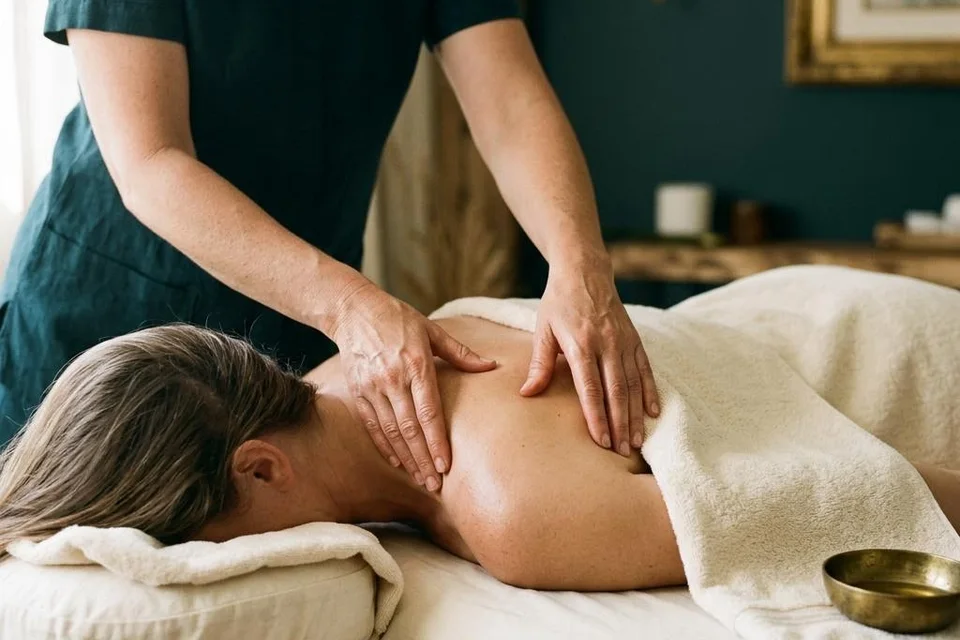
You've probably seen massage described as therapeutic, relaxation, Swedish, or deep tissue and wondered which word means the appointment will actually help. It's an understandable question, especially when a stiff shoulder interrupts driving or a sore back makes a comfortable night's sleep difficult. The label on a booking menu doesn't tell the whole story.
This guide compares goals, pressure, expectations, and the questions worth asking before you book. It also explains what massage can't establish about your health. Our therapeutic massage and scar work guide introduces GLO's confirmed options without turning an umbrella term into a new medical service. Start with the outcome you want, then discuss the safest way to approach it.
Therapeutic Massage & Scar Work in Brooksville, FL
What changes between pain-focused and relaxation massage?
The difference is usually the purpose of the visit, not a single technique. If one shoulder feels tight after driving or standing at work, you might ask the therapist to spend more time there and leave room to check in about pressure. If you mainly want to unwind after a demanding week, you may prefer a slower rhythm and less time on any one area.
Therapeutic massage is a broad phrase. It can include attention to specific areas as well as general relaxation. A focused appointment doesn't have to be intense, and a gentler appointment can still feel useful for tension. If you want both, tell the therapist which matters most and whether you are comfortable changing the plan once the session begins.
At GLO, each session is tailored to the guest. Rather than deciding in advance that you need a specific technique, describe what you notice, what kinds of touch you like, and where you'd rather not be touched. If there is an area where pressure feels sharp, speak up; you can ask for less pressure, a different position, or a pause.
If you have instructions from a clinician, share relevant restrictions before your visit. A focused massage can be planned around comfort, but it isn't a medical assessment or rehabilitation plan. If you need a diagnosis or guidance on healing after an injury, get that advice separately before deciding whether massage is right for you.
Does a focused massage have to use deep pressure?
A useful massage does not have to be painful or unusually forceful. Pressure is one adjustable part of an appointment, not a ranking of effectiveness. Some people prefer a gentle approach; others tolerate firmer work comfortably. What felt right last month may not feel right after an injury, medication change, or a difficult night's sleep.
Tell your therapist what you're experiencing in ordinary language. Comfortable pressure, uncomfortable stretching, sharp pain, tingling, and feeling lightheaded are different experiences. You don't need technical vocabulary to ask for a change. If you find yourself holding your breath, bracing, or waiting for a painful section to end, speak up rather than treating endurance as progress.
The National Center for Complementary and Integrative Health notes rare serious harms associated with massage, including reports involving vigorous techniques and people at increased risk. That is a reason to individualize care, not a reason to fear every massage. Let your therapist know about fragile skin, bone concerns, easy bruising, blood-thinning medicines, or medical advice about pressure.
A clear agreement can be as simple as asking the therapist to begin gently and check in before increasing pressure. Let them know whether you prefer regular questions or will speak up when something changes. Neither style should leave you feeling unable to interrupt. Comfort isn't a fixed setting, and you can ask for a different approach even when the same technique was comfortable on another day.
A familiar label such as deep tissue also doesn't replace a conversation. Ask what the therapist means by it, which areas they intend to address, and how they will check your comfort. You can agree to one approach and change your mind during the session.
What can research tell you about results?
Research suggests massage may provide short-term relief for some types of discomfort, but it doesn't guarantee lasting improvement for an individual. NCCIH describes limited or low-quality evidence for several pain conditions. Studies differ in the people enrolled, techniques, appointment schedules, comparison groups, and outcomes measured.
That uncertainty matters when a treatment is advertised as the answer to everything from back pain to sleep trouble. A person can feel more comfortable after a visit without establishing that a disc, joint, scar, or nerve problem has been corrected. Feeling relaxed is a valid outcome, but it isn't evidence of a particular biological explanation.
Set a small, observable goal rather than expecting a complete reset. You might note how comfortable turning your head feels during an ordinary activity or whether tension returns quickly afterward. Discuss meaningful changes with your therapist and, when appropriate, your clinician. Don't use a temporary improvement as permission to ignore new or worsening symptoms.
Repeated appointments aren't automatically better. If the benefit is brief, absent, or outweighed by soreness, reconsider the approach. A responsible plan leaves room to stop, adapt, or seek another kind of help. No universal number of sessions is supported for every person or every complaint.
What should a first focused appointment feel like?
A first appointment should include an opportunity to explain your goals, discuss relevant precautions, and agree on comfort boundaries. Ask how much of the booked time includes conversation and preparation rather than assuming the entire appointment is hands-on work. Share the areas you want addressed and those you prefer the therapist to avoid.
Your privacy and consent remain important throughout. You can ask about clothing, draping, positioning, breaks, and adjustments before treatment begins. If lying in a particular position is difficult, say so early. A choice to skip an area or end a session doesn't need to be justified by a diagnosis.
Afterward, take a moment before standing and notice how you feel. Don't measure the quality of the visit by how sore you become. Significant pain, new numbness, or an unusual symptom deserves attention rather than a routine explanation that your body is releasing something. Ask for guidance about whom to contact if a concern develops.
Keep your description concrete when you follow up: what changed, when it changed, and whether it affected your normal activities. That information is more useful than simply saying the massage was strong. It helps separate a pleasant experience from an approach that is genuinely useful to you.
Who should speak with a clinician before booking?
Unexplained, severe, changing, or injury-related pain needs medical assessment before a spa appointment. Massage is not a way to rule out infection, a blood clot, fracture, or a neurological problem. If symptoms include chest pain, difficulty breathing, new major weakness, or loss of bladder or bowel control, seek emergency help rather than booking.
Recent surgery, an unhealed wound, active skin infection, pregnancy, implanted devices, and medicines affecting bleeding or sensation can change what is appropriate. Ask the clinician who knows your history whether hands-on work is suitable and what restrictions apply. Then confirm whether the spa can accommodate those restrictions before reserving a service.
A doctor's clearance isn't a promise that every technique will be comfortable, and a therapist may still recommend postponing. If you need a diagnosis, post-operative rehabilitation, or a prescribed treatment plan, establish that medical care separately. A spa massage is for comfort and wellness; it isn't a substitute for rehabilitation or a clinician-directed treatment plan.
How do you choose an appointment in Brooksville?
Choose a confirmed service after matching your goal with its description and checking any safety concerns. For someone coming from Spring Hill, Weeki Wachee, or elsewhere in Hernando County, it's worth asking questions before making the drive. Don't rely on a social media clip or a broad medical label to make the decision for you.
At GLO, a massage is tailored around what you need that day. You can ask how therapeutic massage might blend techniques such as cupping or Myoskeletal Alignment Technique (MAT), whether warm stones are appropriate, or what to consider before discussing work near a fully healed scar. The focus is the session, not collecting a list of techniques.
Check the live Meevo menu for current options and pricing. If you're uncertain, contact the spa with a brief, non-sensitive question about suitability; save detailed medical information for a private conversation with an appropriate professional. The best first step may be a medical visit, a gentler massage, or simply a clearer explanation before deciding.
How we do this at GLO
GLO offers therapeutic massage for pain-focused comfort, everyday tension, or relaxation. Start with our Massage Therapy page to compare goals and discuss what a first session can feel like. Tell us about comfort needs and any clinician restrictions before booking. Your therapist can explain which techniques may be appropriate, how they can be blended, and when an area should be avoided.
View the matching GLO serviceReady to try it?
Book a ServiceFrequently asked questions
What is the difference between pain-focused and relaxation massage?
Pain-focused massage gives more attention to a place that feels uncomfortable or tight. Relaxation massage uses an unhurried approach and may spend less time on one area. You can blend both goals in a session. Tell your therapist what comfort means to you rather than choosing by pressure alone.
Is therapeutic massage the same as deep tissue?
No. Therapeutic describes a broad purpose, while deep tissue commonly describes an approach involving more focused pressure. Neither term has one universal appointment format. A therapist can adapt pressure to your comfort, and effective care should not require you to tolerate sharp pain. Confirm the intended approach before the session.
Do I need to request a separate technique when booking?
You can start by sharing your goals and preferences. The therapist can explain which techniques might fit your session and whether anything should be avoided. If you are interested in cupping, warm stones, or work near a healed scar, ask about suitability rather than assuming it is appropriate for every visit.
How many focused massage sessions will I need?
There isn't a reliable number that fits everyone. Your goals, health history, response, budget, and any medical advice all matter. Start by agreeing on a realistic outcome, then evaluate how you feel afterward. If symptoms persist or worsen, don't keep booking in place of seeking medical assessment.
Can I book massage instead of seeing a doctor for pain?
Not when pain is new, unexplained, severe, worsening, or accompanied by concerning symptoms. Massage cannot diagnose its cause. A clinician can advise whether complementary massage is reasonable after assessment. Chest pain, breathing difficulty, significant new weakness, or new bladder or bowel problems call for urgent medical help, not a spa visit.
By GLO Therapeutic Spa team · Last reviewed:
Sources
Related reading
Cupping for Low Back Pain: What the 2024–2025 Research Actually Shows
Cupping for Neck, Shoulder, and Athlete Recovery: Marks, Myths, and Results
Red Flags: When Pain Needs a Doctor First, Not a Massage Table