Red Flags: When Pain Needs a Doctor First, Not a Massage Table
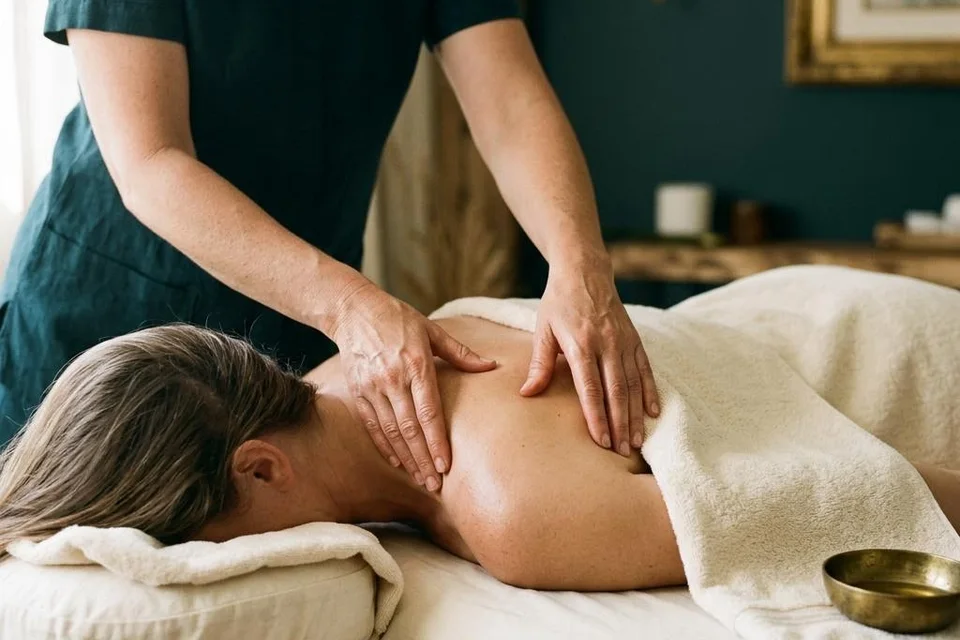
It's tempting to describe every ache as a knot, especially when you've been sitting, gardening, driving, or working longer than usual. Sometimes a familiar tension pattern is exactly what it seems. Sometimes a new symptom needs a different response. You shouldn't have to make that distinction from a booking menu or a social media video.
This guide explains situations where a clinician should come before the massage table, what to mention when asking for advice, and how to approach a future appointment safely. It is not a checklist that can rule out serious illness. Our therapeutic massage and scar work guide explains the complementary role of GLO's services. A decision to postpone massage can be the most appropriate care choice.
Therapeutic Massage & Scar Work in Brooksville, FL
When to see doctor for pain before booking massage
Pain that is new, unexplained, severe, worsening, or following an injury deserves medical guidance before a spa appointment. A massage therapist cannot determine the cause simply because an area feels tight or tender. Muscles can become uncomfortable alongside other problems, and an ordinary-feeling ache does not rule those problems out.
Pay attention to a change from your usual pattern. Perhaps the discomfort now wakes you at night, limits activities differently, or appears with another symptom. Tell a clinician what changed rather than deciding that a previous explanation must still apply. A familiar location doesn't guarantee a familiar cause.
If you're uncertain about urgency, contact an appropriate healthcare professional and explain the symptoms directly. Don't wait for a spa's email reply or book a treatment as a way to get checked. A website article can't assess your history, examine you, or give clearance for hands-on work.
Ask the medical team what changes should prompt another call and whether there are activities to avoid while awaiting assessment. Follow their instructions rather than using a massage booking to fill the gap in a care plan.
Which symptoms call for emergency help?
Chest pain, serious breathing difficulty, major new weakness, or certain new neurological symptoms can require emergency care rather than massage. In the United States, call 911 when symptoms suggest an emergency. Don't drive yourself if you may be seriously unwell, and don't wait to see whether a massage changes the sensation.
For back pain specifically, the NHS lists warning signs such as loss of feeling around the genitals or anus, changes in bladder or bowel control, symptoms affecting both legs, chest pain, and pain after a serious accident. Although that source uses UK emergency numbers, guests in Brooksville should use US emergency services.
A spa cannot tell you over the phone that a warning sign is harmless. If you're already at an appointment when an emergency symptom occurs, tell someone immediately and obtain medical help. Ending or cancelling a service is appropriate; finishing the booked time is not the priority.
These examples are not an exhaustive emergency checklist. An absence of one listed sign doesn't establish that massage is safe. Follow medical advice if you feel seriously ill or if someone responsible for your care recommends urgent assessment.
What changes need prompt clinical advice even without an emergency?
Pain with fever, feeling generally unwell, rapid worsening, or a significant unexplained change should be discussed promptly with a clinician. Back pain that persists, interferes with normal life, is worse at night, or accompanies unexplained weight loss also warrants assessment. Don't use an appointment's availability to decide how urgent a symptom is.
Describe the problem plainly: where it is, when it began, what seems to worsen it, and which other symptoms are present. Mention a recent fall, illness, operation, or medication change. This information helps the medical team decide what to do next; it is not information a massage article can translate into a diagnosis.
If you have difficulty remembering the sequence, write a short timeline before calling. Include the activities you can no longer manage comfortably and any steps already taken. You don't need to identify the correct medical term. A clear account in your own words is more helpful than choosing a diagnosis from an internet search and leaving out details that don't seem to fit it.
If you already have a diagnosed condition, ask whether this particular change is expected. Don't assume every new pain belongs to the diagnosis you already know. Likewise, a reassuring response to warmth, rest, or pressure doesn't prove that the underlying cause is harmless.
For symptoms that are uncomfortable but not obviously urgent, the next step might be a scheduled clinical appointment rather than an emergency department. Let an appropriate healthcare professional guide that decision. A spa's role is to respect medical restrictions and avoid delaying the assessment you need.
Which medicines and health conditions should you mention?
Relevant medicines, medical conditions, and recent procedures can change whether massage or suction-based treatment is appropriate. Tell the therapist about blood-thinning medicines, easy bruising, fragile bones or skin, altered sensation, recent surgery, wounds, or current medical restrictions. Share sensitive details privately, not in a public comment or unnecessary website message.
Ask your clinician about suitability if you're pregnant, have an implanted device, are receiving treatment for a serious condition, or have been advised to avoid pressure or heat. The right answer depends on the service and your circumstances. A general statement that massage is safe for most people doesn't answer your individual question.
NCCIH notes that serious adverse effects from massage appear rare, but reported events include blood clots, nerve injuries, and fractures. Some reports involved vigorous techniques or people at increased risk. That supports careful screening and appropriate pressure rather than a blanket promise that natural treatments cannot cause harm.
Do not stop medication or ignore a restriction to fit into a service. If clearance is needed, obtain it through your medical team, then confirm what the spa can accommodate. A therapist may still recommend adapting, delaying, or declining an appointment even when you were hoping to proceed.
What should you expect when massage is appropriate?
An appropriate visit should begin with a conversation about goals, comfort, consent, and any relevant precautions. You can explain a medical team's restrictions, ask about positioning, and discuss how pressure will be adjusted. The appointment doesn't need to be painful to be worthwhile.
During hands-on work, say if you feel sharp pain, tingling, dizziness, nausea, unusual weakness, or any concerning change. You can request a pause, a different position, a lighter approach, or an end to the session. Don't interpret every unpleasant sensation as a necessary step toward improvement.
After the visit, report meaningful new symptoms rather than assuming all discomfort is normal soreness. A spa can discuss what was done during the appointment, but a clinician should assess medical concerns. Ask for help promptly when a change seems unusual, severe, persistent, or accompanied by warning signs.
Keep realistic expectations about the outcome. Massage may help comfort or relaxation without correcting the cause of a diagnosed condition. If you have a care plan, continue following it unless the clinician overseeing it recommends a change. A pleasant response to massage isn't a reason to discontinue other care.
How can Brooksville guests make a safer booking decision?
Make the medical decision before the travel and scheduling decision. If you're driving to Brooksville from Inverness, Dade City, Spring Hill, or another nearby town, resolve a question about new symptoms before reserving time or starting the trip. A cancelled plan is less important than getting appropriate care.
Once a clinician considers massage reasonable, look at the exact service names in Meevo and ask which description matches your goals. Therapeutic Massage, Cupping, Myoskeletal Alignment Technique (MAT), and Dolphin Scar Release are not substitutes for each other or for a medical assessment. A more specialized-sounding label doesn't make a service the right next step.
If the main concern is general tension after an ordinary week, explain that too. You don't need to frame your visit as treatment for a disease to ask for comfort, privacy, or a gentler approach. Clear expectations help the therapist understand what matters while staying within a complementary wellness role.
When in doubt, pause. There is no benefit to forcing a booking while you still need answers about safety. GLO can discuss its services and practical arrangements, but the clinician who knows your history is the appropriate person to advise about medical concerns.
How we do this at GLO
GLO's services are complementary wellness appointments, not medical assessment. If symptoms need a clinician, please take that step first. When massage is appropriate, read the Therapeutic Massage service details and use Meevo for current availability. Tell us about comfort needs and relevant restrictions before the visit. We do not diagnose pain or replace prescribed treatment.
View the matching GLO serviceReady to try it?
Book a ServiceFrequently asked questions
When should you see a doctor instead of a massage therapist?
Seek clinical advice for new, unexplained, severe, worsening, or injury-related pain, particularly with other symptoms. Massage cannot diagnose the cause. Emergency signs such as chest pain, serious breathing difficulty, major new weakness, or new bladder or bowel problems require urgent medical help. In the United States, call 911 for an emergency.
Can a massage therapist tell whether pain is just a muscle knot?
Not reliably enough to rule out a medical problem. Tenderness or tightness can occur for different reasons, and a temporary response to pressure doesn't establish the cause. A therapist can discuss comfort and their service scope, but diagnosis and investigation of unexplained symptoms belong with an appropriate healthcare professional.
Should I book a massage immediately after a fall?
Obtain medical guidance first, especially if pain is significant, you hit your head, your movement is limited, or you have other concerning symptoms. An injury can require assessment even when bruising seems minor. Don't use massage to test whether something is serious or delay care while waiting for a spa appointment.
Do I need to stop my medicine before massage?
Do not stop or change a prescribed medicine for a spa appointment unless your prescribing clinician tells you to. Tell the therapist about relevant medicines and restrictions, especially those affecting bleeding, skin, sensation, or alertness. If suitability is uncertain, ask your medical team and postpone rather than adjusting treatment yourself.
What if a new symptom starts during my appointment?
Tell the therapist immediately and pause the service. Seek medical help for a concerning change rather than assuming it is a normal release or a necessary part of treatment. If the symptom suggests an emergency, call 911. You can end an appointment at any time; completing the session isn't the priority.
By GLO Therapeutic Spa team · Last reviewed:
Sources
Related reading
Therapeutic Massage for Pain Relief vs. Relaxation Massage
Cupping for Low Back Pain: What the 2024–2025 Research Actually Shows
Cupping for Neck, Shoulder, and Athlete Recovery: Marks, Myths, and Results