Cupping for Neck, Shoulder, and Athlete Recovery: Marks, Myths, and Results
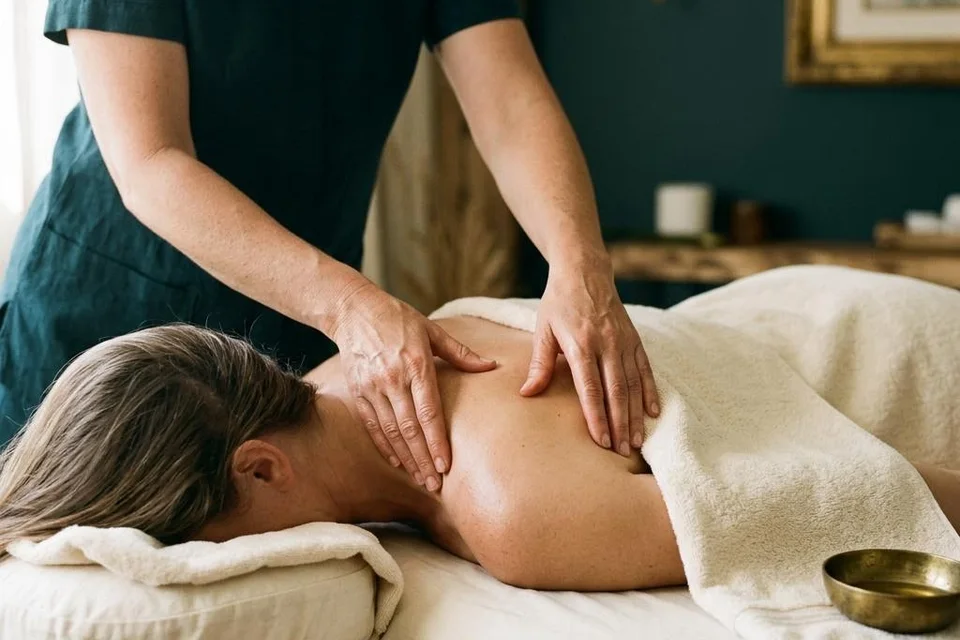
Circular marks on a swimmer's shoulders or a runner's back can make cupping look like an essential part of athletic recovery. If you're already dealing with desk-related tension or soreness after an active weekend, it's easy to wonder whether you're missing something. A visible treatment isn't automatically a necessary or better treatment.
This guide separates a reasonable comfort goal from claims about performance, toxins, and guaranteed recovery. We'll cover the sensation, possible skin effects, safety questions, and ways to evaluate your own experience. GLO's therapeutic massage and scar work guide explains how cupping fits among confirmed menu choices. You don't need to be an athlete, or tolerate an extreme sensation, to ask informed questions about a service.
Therapeutic Massage & Scar Work in Brooksville, FL
Which cupping therapy benefits are supported by research?
The most defensible potential benefit is short-term pain relief for some people, not a broad promise of improved health or performance. NCCIH describes the evidence for pain as limited and says there isn't enough high-quality research to draw conclusions for other conditions. A 2025 review provides a more recent but still qualified picture.
That review of chronic musculoskeletal pain found an immediate improvement in pain intensity in the pooled results, without statistically significant improvements in functional disability or mental health. Studies differed considerably. It doesn't tell us that everyone with shoulder tension will feel better, or that a particular session will improve a person's ability to train.
It's also important to distinguish a study population from yourself. Chronic pain research isn't the same as research in healthy athletes after exercise. A benefit observed in one group doesn't automatically establish faster muscle repair, better endurance, fewer injuries, or an ideal recovery routine in another group.
You can still decide that a comfortable appointment is worthwhile without attaching an unsupported explanation to it. The honest question is whether the experience helps you feel or function better in a meaningful way, without unacceptable skin effects, pain, cost, or interference with medical care.
Be equally careful with a friend's recommendation. Their experience can help you think of questions, but it doesn't predict your response or replace a safety discussion. They may have received a different technique, had different symptoms, or been following another care plan at the same time. You don't need to dismiss a positive story to recognize that it is one person's report rather than a guarantee for everyone who books.
What does cupping feel like on the neck and shoulders?
Cupping can feel like localized pulling, tension, or stretching at the skin, but sharp pain or burning is a reason to stop and speak up. The sensation depends on placement, suction, movement, and your own sensitivity. Watching someone else's session can't tell you what strength will be comfortable for you.
Before an appointment, ask which areas the therapist considers appropriate and how the technique differs from a standard massage. Don't assume that cups will be placed directly over the area you point to or that every technique seen online is offered. Scope, training, skin condition, and your history matter.
Explain any recent injury, headache, dizziness, numbness, or pain traveling down an arm before hands-on work begins. Those symptoms can change the next step. A therapist's ability to make you comfortable is not the same as the ability to rule out a nerve or other medical problem.
You can choose less suction, a shorter exposure to a particular technique, a different approach, or no cupping at all. Consent remains active throughout the visit. There is no need to complete a painful treatment simply because the appointment has already started or because someone said the sensation is normal.
Do circular marks mean the session worked?
Circular marks show a skin response to suction, not a reliable score for effectiveness. Their appearance can vary between areas and visits. Lighter marks don't establish that an appointment was inadequate, and darker marks don't prove that more tension, toxins, or a hidden problem was removed.
Plan for the possibility of visible marks rather than trying to predict an exact fading time. If you have a wedding, photographs, a beach day, or an event requiring exposed shoulders, ask about that before booking. The answer may be to choose another technique or postpone rather than accept an outcome you don't want.
NCCIH notes that cupping can also cause adverse effects including lasting discoloration, scars, burns, and infection. Those aren't goals of the service. Skin that blisters, becomes increasingly painful, or shows signs of infection deserves medical advice. Don't rely on a reassuring caption under a social media photo to judge a concerning change.
Tell your other healthcare professionals about recent cupping if they examine your skin. It gives useful context for the marks, while leaving them free to assess anything unusual. You shouldn't have to conceal the treatment or defend a mark as evidence of successful care.
Can cupping speed recovery after exercise?
Current evidence doesn't establish cupping as a necessary or reliably faster route to athletic recovery. Feeling comfortable after a session is different from proving that injured tissue has repaired or that it's safe to resume hard training. Avoid using a temporary change in soreness as a clearance test.
If you're returning to activity after an injury, follow the plan from your clinician or rehabilitation professional. Ask them how complementary care might fit around it. Massage or cupping should not replace prescribed exercises, symptom monitoring, or advice about how gradually to increase activity.
For ordinary exercise soreness, keep the conversation specific. What activity preceded it? Is this a familiar pattern, or does something feel different? Is it easing, worsening, or associated with swelling or weakness? A spa visit cannot sort every answer into a diagnosis, but these questions help identify when a medical conversation should come first.
Be cautious about scheduling a first unfamiliar treatment immediately before an important race, tournament, or physically demanding workday. You don't yet know how your skin or comfort will respond. Ask about timing without expecting a universal best interval, and leave room to decide that a new treatment isn't right for that occasion.
Who should avoid cupping or get clearance first?
People with bleeding risks, fragile or damaged skin, reduced sensation, or relevant medical conditions should seek individualized advice before cupping. Tell the therapist about prescriptions affecting bruising or bleeding, but don't change the medicine yourself. A clinician can help weigh the risk against your goals.
Cupping may worsen eczema or psoriasis, according to NCCIH. Active rashes, wounds, infections, or irritated areas are not places to pursue a stronger skin response. If a therapist recommends postponing, that is not a challenge to find someone willing to use more suction.
Sudden severe pain, symptoms after a serious accident, new weakness, chest pain, or trouble breathing require medical attention. Neck and shoulder symptoms can have more than one cause. Don't assume that a tender muscle establishes a harmless explanation, particularly when the pattern is new or changing.
You can also decline because of preference, not only because of a medical risk. Some guests simply dislike suction or don't want visible marks. Ask about other confirmed menu choices rather than feeling obliged to follow a trend. Choosing a familiar massage approach, postponing until after an event, or deciding not to book is reasonable. An appointment should fit your needs, not make you feel that you have failed at recovery.
What should active guests in Hernando County ask?
Ask how the proposed appointment matches your goal, how comfort is checked, and what would lead the therapist to stop or change course. For guests coming to Brooksville from Weeki Wachee, Spring Hill, or Hernando Beach, a brief call first can avoid a trip for a service that isn't suitable.
Your goal might be a more comfortable shoulder after desk work, less tension during a quiet evening, or simply understanding how cupping feels. Those are reasonable things to discuss. They are different from promising to restore performance, correct posture permanently, or replace a clinician's care for an injury.
After the appointment, notice normal movement and comfort without pushing into pain to test the result. Record any skin changes or delayed discomfort along with benefits. If the result isn't helpful, you can choose another option. Check the live Meevo menu for the current Cupping service rather than relying on an old post for pricing or availability.
How we do this at GLO
Cupping is available as a named service in GLO's Meevo menu. Use the Cupping service page to learn more, then ask whether the approach fits your goals, skin concerns, activity plans, and medical restrictions. We don't promise toxin removal, faster athletic healing, or a specific mark pattern. A service can be adapted or declined when safety and comfort call for it.
View the matching GLO serviceReady to try it?
Book a ServiceFrequently asked questions
What does cupping do and do the marks hurt?
Cupping creates suction at the skin and may provide short-term comfort for some pain complaints. It can leave temporary marks, but those don't measure effectiveness. The procedure should not require sharp pain or burning. Ask about expected sensations, and seek advice if skin becomes increasingly painful, damaged, or shows signs of infection.
Is cupping useful if I'm not an athlete?
You don't have to be an athlete to ask about cupping, but being active or having tension doesn't automatically make it suitable. The relevant questions concern your goals, skin, medical history, medicines, and the cause of symptoms. A conversation about safety and realistic expectations matters more than the label athlete.
Does cupping remove toxins or lactic acid?
Visible marks aren't proof that toxins or exercise byproducts have left your body. Research on pain doesn't establish a general detoxification effect. Be cautious about explanations that use the darkness of a mark as evidence of a hidden buildup. Evaluate the appointment by comfort, function, and safety rather than an unsupported cleansing claim.
Can cupping replace my injury rehabilitation?
No. If you have an injury or a prescribed rehabilitation plan, discuss complementary care with the clinician overseeing it. Temporary comfort doesn't establish tissue repair or readiness for sport. Keep following appropriate medical advice, and don't use a spa appointment to postpone assessment of worsening pain, weakness, swelling, or other new symptoms.
Should I schedule cupping before an important event?
Ask in advance about visible marks and the uncertainty of your individual response, especially if it would be your first session. There isn't one ideal interval that fits every person or event. You may prefer another massage option or a different date rather than risk marks or discomfort at an inconvenient time.
By GLO Therapeutic Spa team · Last reviewed:
Sources
Related reading
Therapeutic Massage for Pain Relief vs. Relaxation Massage
Cupping for Low Back Pain: What the 2024–2025 Research Actually Shows
Red Flags: When Pain Needs a Doctor First, Not a Massage Table