Cupping for Low Back Pain: What the 2024–2025 Research Actually Shows
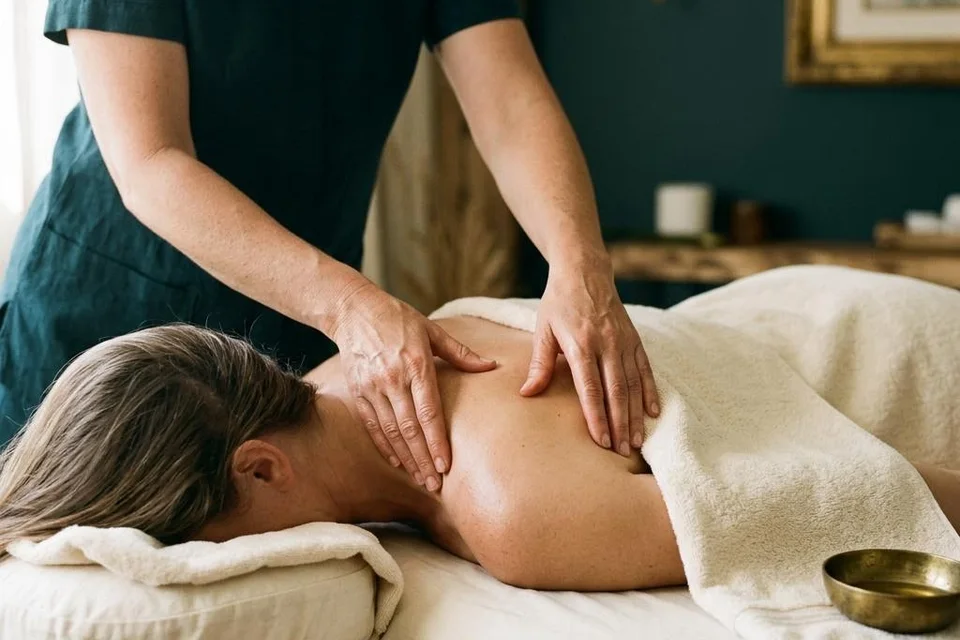
When your lower back keeps interrupting work, gardening, walking, or sleep, a headline about cupping can sound like a clear answer. The research is more complicated than a before-and-after photo or a claim that a treatment worked in a study. A careful reading can help you decide which questions to ask without expecting a guaranteed result.
This article explains two recent reviews, why their findings need context, and what an appointment should not promise. It also covers skin marks, safety, and when pain needs medical attention first. GLO's therapeutic massage and scar work guide connects this topic to the actual menu. The goal is a more informed conversation, not a diagnosis or a prescription to try cupping.
Therapeutic Massage & Scar Work in Brooksville, FL
What does cupping for back pain involve?
Cupping uses suction against the skin rather than the downward pressure associated with many massage techniques. Cups may be placed over an area for a period of time or used as part of a moving technique. Exactly how a service is performed depends on the practitioner and the method being used.
Research groups often use the word cupping to cover quite different interventions. Dry cupping does not pierce the skin. Wet cupping involves skin piercing and bloodletting. A study that combines or compares these approaches is not a description of GLO's appointment, and this article does not advertise wet cupping as a GLO service.
Ask which method is offered, how suction can be adjusted, and what will happen if the sensation is uncomfortable. A pulling or stretching feeling is different from sharp pain or burning. You should be able to describe what you feel and ask to stop without being told that discomfort is necessary for results.
What did the 2024 low back pain review find?
The 2024 review found some favorable pooled results but also substantial differences between studies and inconsistent subgroup findings. Published in Complementary Therapies in Medicine, it included eleven trials involving 921 people. That makes it more informative than one person's experience, but it doesn't remove limitations in the underlying research.
Some outcomes showed short-term pain improvement. However, findings differed by cupping type, location, and the kind of back pain studied. The review did not show continuous pain improvement at several later follow-up points. Its dry-cupping subgroup did not show a statistically significant pain improvement in the reported analysis.
Those details are important if you're looking for a treatment for ongoing low back pain. You cannot turn a positive overall summary into a promise that any cup technique at any spa will help your particular symptoms. The authors called attention to heterogeneity and the need for more standardized methods and longer follow-up.
A statistical result also needs a practical question: did people move more comfortably, manage normal tasks better, or sustain improvement? Pain scores, disability measures, and long-term outcomes are not interchangeable. Ask what you hope to change in daily life instead of judging a treatment by the number of positive findings quoted in an advertisement.
2024 review: effectiveness of cupping therapy on low back pain
What does the 2025 review add?
The 2025 BMJ Open review supports the possibility of immediate pain relief without establishing better function or long-term recovery. It examined chronic musculoskeletal pain, a broader category than lower back pain alone. That scope is useful, but it means its results shouldn't be described as proof for every specific back complaint.
The authors found an improvement in pain intensity in their pooled analysis. They did not find statistically significant improvements in functional disability or mental health. The included studies differed considerably, and the review's timing was limited to immediate effects. The result does not establish how long relief lasts.
A person could therefore report less pain after a session while still needing help with the reason walking, lifting, or working remains difficult. This isn't a contradiction. It is a reminder that comfort and function are separate outcomes and that a complementary treatment should fit within a broader plan when a medical condition is involved.
When reading a headline, also look for the comparison treatment. Being better than no additional care is not the same finding as being better than another active approach. A review can combine studies with different comparisons, which makes a single sweeping conclusion less useful. Ask whether a claimed benefit concerns immediate comfort, everyday function, or sustained improvement, and whether the paper actually measured the outcome being advertised.
Neither review establishes a universal schedule, ideal suction strength, or guaranteed number of sessions. They also don't prove that darker marks identify a better response. When a study is used to sell a package, ask whether its participants, technique, comparison group, and follow-up actually resemble the service and outcome being offered.
Why do cupping marks not prove that toxins left?
The appearance of a cupping mark is not a test for toxins or evidence that a disease process has been removed. Suction can leave temporary discoloration. Color varies, and a visible circle isn't a reliable measure of whether a treatment helped you. Seeking stronger marks for the sake of a better result is not a useful goal.
NCCIH lists persistent discoloration, scars, burns, infection, and worsening of eczema or psoriasis among possible adverse effects of cupping. Those risks are different from an ordinary temporary mark and should not be dismissed as proof that the treatment is working. Ask what skin changes are expected and which require a call to a clinician.
If you take a medicine that affects bleeding, have fragile or irritated skin, bruise easily, or have reduced sensation, discuss suitability before booking. Do not stop a prescription to make yourself eligible for a spa service. A clinician who knows your medical history can advise about risks, and the therapist can explain whether they can safely accommodate your needs.
If another health professional sees the marks, tell them you recently had cupping. That context can prevent confusion, but it shouldn't replace assessment of a concerning change. Increasing pain, spreading redness, discharge, fever, or a new unusual symptom warrants medical advice rather than an online explanation of normal aftercare.
Who should skip cupping and seek medical advice?
Cupping is not an appropriate first response to unexplained severe pain, a significant injury, or neurological warning signs. New weakness, numbness around the groin, bladder or bowel changes, chest pain, or difficulty breathing needs prompt medical attention. In the United States, call 911 for emergency symptoms.
Back pain with fever, feeling generally unwell, a concerning history, or worsening symptoms also deserves a clinician's assessment. A spa cannot determine that the source is just a tight muscle because the area feels tender. Even a familiar ache can warrant a different response if its pattern or accompanying symptoms change.
A prior diagnosis isn't automatic clearance either. Ask your clinician about massage or suction if you're recovering from surgery, have a bleeding disorder, take blood thinners, or have a skin condition affecting the area. Bring any relevant restrictions to the conversation before an appointment is reserved.
There is also no need to decide on a course of appointments during the first conversation. Ask what would count as a useful response and what would lead you to stop. Leaving that decision open avoids treating a package as a medical necessity. Your comfort, goals, and the advice of the clinician overseeing a condition should guide the next step, not a promise attached to a particular number of visits.
How should Brooksville guests judge whether a session helped?
Judge the visit by meaningful comfort and daily activity, not the strength of the suction or the darkness of your skin marks. Before you arrive, think of one normal activity you want to understand better: sitting through a commute from Spring Hill, doing a light household task, or moving comfortably after desk work.
Describe your baseline in simple terms, then notice whether it changes and for how long. Avoid deliberately provoking pain to test yourself. Share any delayed soreness or new symptoms as well as improvements. A short note can be more informative than trying to remember every sensation at the next visit.
There is no obligation to repeat an appointment simply because a research paper reported an average benefit. If you're not noticing useful change, reconsider the approach with the appropriate professional. Check GLO's current Cupping listing in Meevo for availability and pricing, and ask questions before making a special trip to Brooksville.
How we do this at GLO
Cupping is a confirmed GLO service in Meevo. Read the Cupping service description and ask about the method, comfort adjustments, and suitability for your goals before booking. We do not promise lasting pain relief, removal of toxins, or the repair of a spinal condition. Any unexplained or concerning back pain belongs with a clinician first.
View the matching GLO serviceReady to try it?
Book a ServiceFrequently asked questions
Does cupping help back pain?
It may provide short-term relief for some people, but results vary. A 2024 review reported mixed findings across techniques and follow-up periods. A 2025 review found immediate pain improvement across chronic musculoskeletal conditions without clear functional improvement. Neither establishes that a particular session will help your back or address its cause.
Does cupping work better if the marks are darker?
Darker marks are not a validated measure of a better result, removed toxins, or a need for stronger suction. Ask about expected skin changes, and judge the session by comfort and useful activity afterward. Significant pain, damaged skin, spreading redness, or other concerning changes should not be dismissed as normal progress.
How long does relief from cupping last?
There isn't a dependable duration for everyone. The recent reviews include short-term or immediate outcomes, and longer-term findings are inconsistent or limited. Your response may differ from an average research result. Track whether any change is useful and sustained, and seek assessment if symptoms persist, worsen, or change.
Can I have cupping if I take blood thinners?
Speak with the clinician who manages your medicine before considering suction-based treatment, and tell the therapist about the advice you receive. Bleeding and bruising risks can change what is appropriate. Do not pause or change a prescription for an appointment. It may be safer to choose another option or postpone.
Should cupping replace physical therapy or medical treatment?
No. Cupping is complementary care, not a substitute for diagnosis, prescribed rehabilitation, or medicines. If a clinician has recommended a plan for your back, discuss whether cupping fits into it and what precautions apply. Don't delay urgent assessment to try a spa treatment for new, severe, or unusual symptoms.
By GLO Therapeutic Spa team · Last reviewed:
Sources
Related reading
Therapeutic Massage for Pain Relief vs. Relaxation Massage
Cupping for Neck, Shoulder, and Athlete Recovery: Marks, Myths, and Results
Red Flags: When Pain Needs a Doctor First, Not a Massage Table