Infrared Sauna in Brooksville, FL
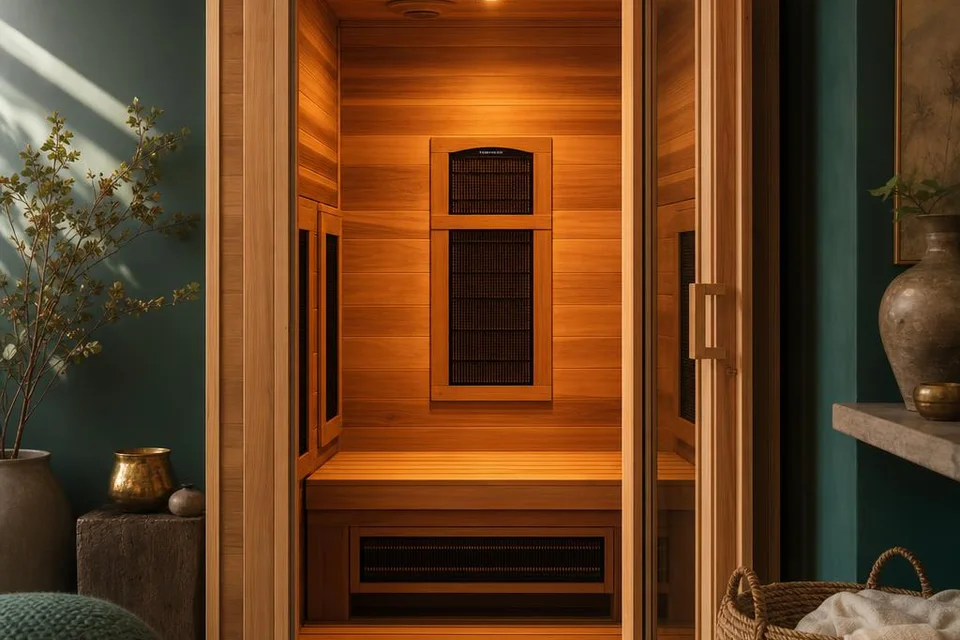
Perhaps you love the feeling of warmth on stiff joints, but a traditional sauna has always felt too hot to breathe comfortably. Perhaps you have read bold claims about infrared saunas and want to know which ones hold up. Both are good reasons to read on.
This guide explains how infrared saunas work, how they differ from the classic hot room, what research suggests and where it falls short, who should speak with a clinician first, and how to use heat gently. It is written for readers in Brooksville, Spring Hill, Inverness, and across Hernando County, especially anyone who is thoughtful about heat because they manage blood pressure, medications, or heart health. Claims here are kept modest, and sources are linked so you can check them.
Infrared sauna vs. traditional sauna: what is the real difference?
The main difference is how the heat reaches you. A traditional sauna heats the air, often to very high temperatures, and the hot air warms your body. An infrared sauna uses infrared heaters that warm your body more directly, so the air around you can stay cooler.
Mayo Clinic explains that infrared saunas heat the body using infrared light at a lower air temperature than traditional saunas. Many people find this more comfortable, especially if very hot air makes breathing feel heavy. You still sweat and your heart rate still rises, so it is real heat exposure, just delivered differently.
Because the two kinds of sauna work differently, findings from studies of traditional saunas cannot simply be applied to infrared saunas. That point matters when you read claims online.
What does the research say about infrared sauna benefits?
Research on infrared saunas exists, but it is limited. Mayo Clinic notes that studies have been small and varied in their methods, which makes firm conclusions difficult. Some studies explore effects on muscle soreness, blood pressure, or chronic pain, but none are strong enough for us to promise any of those outcomes.
You may have read about large Finnish studies linking regular sauna use to heart health. Those studies looked at traditional saunas in a particular population, and they show associations rather than proof of cause. They do not tell us what an infrared sauna will do for you.
Mayo Clinic also points out that a sauna is not a substitute for exercise. What many people do report is that the warmth feels soothing, loosens stiffness for a while, and makes for a calm pause in the day.
Infrared sauna myths: detox, weight loss, and sweat
Two claims appear often: that infrared saunas detox the body and that they cause weight loss. Your liver and kidneys are the organs that handle waste, and sweating is mainly how your body cools itself. We do not describe sauna sessions as detoxifying.
Any weight you lose in a sauna is water from sweating, and it returns when you drink. That is why rehydrating afterward matters. A sauna does not burn fat in any meaningful way and does not replace physical activity.
This matters because older adults in particular can be harmed by pushing heat too far in pursuit of benefits that are not supported. Comfort is the right goal.
A simple principle: drink water, keep sessions comfortable, and stop when your body asks you to. If you feel dizzy, faint, confused, or unwell during or after heat, leave the heat, sit down, and seek medical advice, especially if symptoms persist. Talk with your clinician before using a sauna again.
Red light is not the same as infrared
Red light therapy and infrared sauna are often mentioned together, but they are different things. An infrared sauna is about warming the body. Red light therapy uses visible red light, usually at low power and without significant heat, and is studied for different purposes.
Some saunas include red lights as a feature, and the terms can blur in advertising. GLO has a separate plain language guide to red light therapy that explains what research suggests and its honest limits. Please do not assume that one is a substitute for the other.
Who should check with a clinician first
Heat puts real demands on the body. Please speak with your doctor before using any sauna if you have heart disease, a history of heart attack or stroke, high or low blood pressure, an irregular heartbeat, or a pacemaker or other implanted device.
The same applies if you are pregnant, have diabetes, especially with nerve damage that affects how you feel heat, have kidney disease, multiple sclerosis, or a history of fainting. Some medications, including certain blood pressure medicines, diuretics, and others that affect sweating, can change how you handle heat.
Do not use a sauna after drinking alcohol, when you are unwell or have a fever, or if you feel dizzy or dehydrated. If you feel lightheaded, nauseated, or unwell during a session, leave the heat, sit down, sip water, and tell a team member.
These lists can feel long. They are not meant to discourage you, only to make sure heat is a comfortable choice for your body. Your clinician knows your history best, and a quick question at your next appointment is usually all it takes.
If you take several medicines, a pharmacist is also a helpful person to ask. They can tell you which of your prescriptions may affect sweating, blood pressure, or how your body handles heat, and what signs to watch for. Follow that advice, and mention anything relevant when you book.
Infrared warmth for stiff joints and sore muscles
Many people reach for warmth when their joints feel stiff, whether that is a heating pad on a knee, a warm bath, or a sunny bench on a cool morning. Infrared sauna offers a whole-body version of that comfort, and some people say stiffness eases for a while afterward.
Small studies have looked at infrared heat for muscle soreness after exercise and for certain types of chronic pain, with mixed results. That is not enough for us to say infrared sauna treats arthritis or speeds recovery. Your doctor or physical therapist can advise on managing joint conditions.
If you have swollen, hot, or newly painful joints, heat may not be appropriate. Please have them checked before using a sauna. For everyday stiffness, warmth may simply feel good, and that is a reasonable reason to enjoy it.
Heat, stress, and winding down
Sitting quietly in gentle warmth can feel calming, and some people like an evening sauna because they feel relaxed and ready for rest afterward. Research on sauna and sleep is limited, so treat this as a common experience rather than a promise.
In Florida, it may seem strange to seek out more heat. Yet many people here spend their days in strong air conditioning, and a controlled, comfortable warmth can feel very different from a humid August afternoon outdoors. During our cooler winter months, the appeal is even easier to understand.
If stress, worry, or poor sleep is affecting your daily life, please talk with your doctor. Warmth and quiet can be one gentle part of looking after yourself.
It can help to set aside the rest of the afternoon after a sauna so they are not rushing straight into errands while still warm.
How to use infrared heat gently
If your clinician agrees that sauna is fine for you, start slowly. A short first session at a comfortable setting tells you far more than an ambitious one. Drink water beforehand and afterward, wear light clothing, and bring a towel.
Listen to your body rather than a timer or a goal. Leaving early is always the right choice if you feel uncomfortable. Stand up slowly at the end, since heat can lower blood pressure and make you lightheaded, and give yourself a few minutes before driving home.
Because we have not confirmed public details about GLO's sauna setup, session length, or settings for this page, we are not listing them here. Ask when you book or call what to expect.
Consider practical details too. Bring a change of clothes, a hair tie if needed, and something to drink for the drive home. Remove jewelry, which can become hot, and mention any metal implants or skin sensitivities to your clinician beforehand. Eating a light meal an hour or two before can help you avoid feeling lightheaded.
Sauna before or after massage?
Some people like gentle warmth before a massage to help their muscles feel looser, while others prefer to rest in the heat afterward. There is no strong evidence that one order is better, so comfort and timing are reasonable guides.
If you are combining experiences in one visit, keep the heat gentle, drink water between them, and avoid rushing. Tell your massage therapist that you plan to use the sauna so they can adjust pressure if your skin or muscles are warm. Our massage therapy guide explains the services you can book.
How we do this at GLO
Infrared sauna is something you can ask us about at GLO. It is not currently listed as a separate bookable service in our Meevo menu, and we have not published a session length, temperature, or price. Ask about it when you book a service or call GLO, and ask what is available, how a session works, and whether it may suit you. Sauna is not a treatment for any medical condition, and anyone for whom heat is a health concern should check with their clinician first. Questions about clothing, access, or how heat might affect your medicines are worth asking your clinician and GLO before you decide.
Ask us about Infrared Sauna when you book
Book a ServiceFrequently asked questions
What is the difference between infrared and traditional sauna?
A traditional sauna heats the air to warm you, while an infrared sauna uses infrared heaters to warm your body more directly at a lower air temperature. Many people find infrared more comfortable. Research on one type does not automatically apply to the other.
What are the benefits of an infrared sauna?
Many people find the warmth relaxing and soothing for stiff muscles. Research is small and varied, according to Mayo Clinic, so specific health benefits are not established. We present infrared sauna as a comfortable warming experience rather than a treatment.
Does infrared sauna detox your body or cause weight loss?
No. Your liver and kidneys handle waste, and sweat mainly cools you. Weight lost in a sauna is water that returns when you drink. A sauna is not a substitute for exercise or a way to lose fat.
Who should not use an infrared sauna?
Check with your doctor first if you have heart disease, blood pressure concerns, an implanted device, diabetes with nerve damage, kidney disease, a history of fainting, are pregnant, or take medicines that affect heat tolerance. Avoid sauna after alcohol or when unwell.
Is infrared sauna the same as red light therapy?
No. Infrared sauna warms the body. Red light therapy uses visible red light, typically without much heat, and is studied for different purposes. Some saunas include red lights, but the two should not be treated as interchangeable.
How long should you stay in an infrared sauna?
Start with a short session, follow your clinician's advice, and leave whenever you feel uncomfortable. GLO has not published session lengths, so ask when you book or call for current details.
Can I book an infrared sauna at GLO online?
Infrared sauna is not currently a separate bookable item in our Meevo menu. Ask about infrared sauna when you book a service, or call, to learn what is currently available.
Where can I find an infrared sauna near Brooksville, FL?
GLO Therapeutic Spa at 947 W. Jefferson Street in Brooksville is glad to talk with you about infrared sauna. Ask when you book a service through Meevo, or call. It is a short drive from Spring Hill, Inverness, and Weeki Wachee.
By GLO Therapeutic Spa team · Last reviewed: